Semiotics is the study of signs, or how things come to have significance. It assumes there is no direct relationship between the real world and the language we use to represent it. According to semiotics, meanings are constructed- never naturally or universally real. The basic formula for semiotics consists of 'the signifier' ( that which carries the meaning) and 'the signified' ( the actual meaning that is carried).
There are two significant models of what establishes a sign are those of the theorist Ferdinand de Saussure and the philosopher Charles Sanders Peirce.
Ferdinand de Saussure

- a 'signifier' (signifiant) - the image in the raw, the physical form- A knife is simply a metal implement
- the 'signified' (signifié) - that which carries the meaning, referring to something other than itself- in the context of a scene involving a murder in a shower this knife signifies death and violence.
Saussure offered a two-part model of the sign. He defined a sign as being composed of:

Charles Sanders Pierce
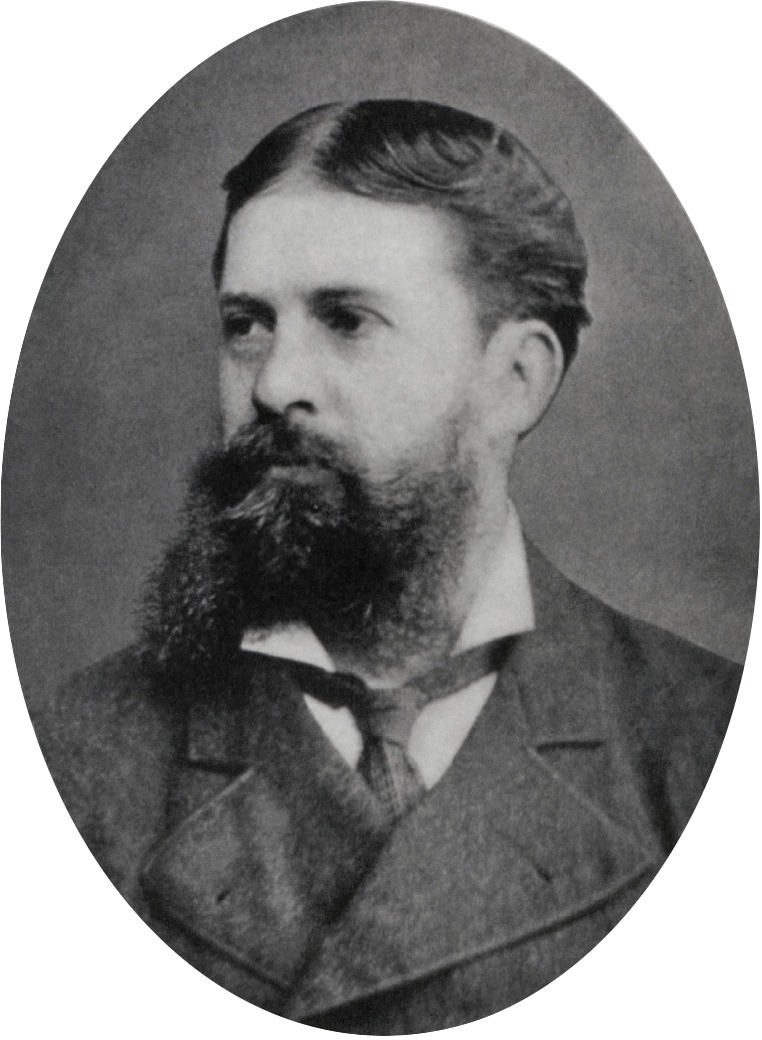
According to another theorist, Charles Sanders Pierce, 'we think only in signs.' He thought that signs take the forms of words, images, sounds, smells, tastes or objects, but these things have no deeper meaning and just become signs when we invest them with meaning.
'Nothing is a sign unless it is interpreted as a sign'
According to Pierce, anything can be a sign as long as it is interpreted as 'signifying' something which is a sign that is standing for something other than what it really is.

Both a SIGNIFIED and the SIGNIFIER join together to make up A SIGN.
Semiotics is able to give account for meaning that are absent as well as present in any given representation.

No comments:
Post a Comment