Sunday, 20 October 2013

Web 2.0

It is also necessary to consider how Web 2.0 has impacted on audiences- user generated content.
Audiences can now be active consumers of texts and can manipulate genres and generic conventions for their own pleasrtues for example ;

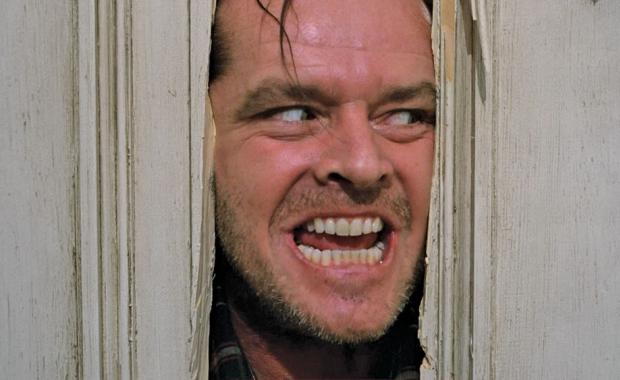
The Shining reworked;


 Two of Micheal Wecsh's video essays below describe the impact of Web 2.0;


Semantic/Syntactic Approach ( Rick Altman)

Through Rick Altman's theory called the; SEMANTIC/SYNTACTIC APPROACH http://www.jstor.org/discover/10.2307/1225093?uid=3738032&uid=2&uid=4&sid=21102790548997

1. Semantic
This is concerned with the conventions of the genre that communicate to the audience like the characters, locations, props and music. So we would apply in our short film, the two main characters; Rosalie and Paloma, Paloma seems to be under some psychological distress, the locations i.e the park and the bridge especially to emphasise her solitude as she's not battling something physical but mental.

2. Syntactic
This is concerned with the relations between these elements and the structure of narratices in genres. So in our short film, the audience will know that at the beginning of the film, the main protagonist will be dealing with a psychological issue, and maybe through the use of flashbacks, the audience will get to know where the issue first stemmed from and then usually by the end of the film, the psychological problem has been rectified.

By employing this Semantic/Syntactic, it enables us to produce a more sophisticated reading of any genre.

Applying theories to this year's coursework (Evanescent) Reception Theory

Reception Theory; this theory views audiences as individuals which include receiving and decoding messages on a personal, individual level, choosing to either accept the message or not. Stuart Hall:http://en.wikipedia.org/wiki/Stuart_Hall_(cultural_theorist) argues that texts are encoded for this 'preferred; meaning, with signs and codes, but that ultimately they are decoded independently, so at the end our short, we will leave it up to the audience to decide whether the ghost is real or just a hallucination.

Like producers of institutions, generic narratives depend on a certain amount of immediate communication with the audience. They want the narrative to be easily comprehensible. Genres also act as a template for production which reduces the rick of losing money at the box office. We will rely on these codes and conventions associated with the psychological thriller genre that are easily recognisable to the audience to make them realise what type of genre it is. However, we know that the audience will know what to expect from a genre but at the same time want some variations to prevent dissatisfaction and boredom. The only problem with this theory of genre is actually defining a genre which people find inherently difficult. Is it a thriller with psychological problems or is it a film dealing with psychological problems with an element of the thriller genre in it? The audience might find it hard to distinguish genres.

Wednesday, 16 October 2013

Script for Evanescent


‘Evanescent’ Script
-          EXT. Woods. Day
-          Establishing shot of trees, a pond and ducks. Camera pans across a wood.
-          EXT. Woods. Day
-          LS of girls ( 3 or 4) walking from behind. Camera pans across the pond. Shows them laughing, joking.
-          Cuts to close up of the protagonist (Paloma)
-          EXT. Woods. Day
-          LS of girls walking past the camera. In the distance you can see a girl standing.
-          EXT. Woods. Day
-          Close up shot of Paloma’s face, looking confused and whips her head to the place where she thought she saw someone.
-          EXT. Woods. Day
-          LS and camera pans to the place where she saw something.
-          Shot to the place, the girl has disappeared. Nobody is there.
-          EXT. Woods. Day
-          MS of Paloma and the girl standing behind her looking at her.
-          EXT. Woods. Day
-          MS of Paloma turning to her friends.
-          Dialogue: Paloma says; ‘Did you see that?
-          Friends say; ‘No, what are you talking about?
-          Shot reverse shots between Paloma and her friends.
-          Close up shot of Paloma to show her increasing paranoia.
-          EXT. Wood. Day
-          Camera pans to the space she looked at before.  She does a double take and sees the girl. Close up shot of her face shows the audience that she realises who it is. Shot fades to black and becomes distorted, the sound also becomes distorted. Police sirens are heard. This shot leads to the FLASHBACK
-          FLASHBACK EXT. Dark Alley. Night
-          LS of the best friends, Paloma and Rosalie walking down an alley. Sound is distorted. You can hear them chatting.
-          Over shoulder shot of hooded person walking towards them.
-          Cacophonies of sounds are heard; Police Sirens, Shouting, Screaming, Crying, Knife dropping.
-          Pans to LS of dead best friend on the floor, audience can see hooded person running away from the scene.
-          EXT. Woods. Day
-          Coming out of the flashback. Close up shot of her eyes closed, zooming out as she opens her eyes and shot shows her reasserting herself, going back to reality.

-          EXT. Woods. Day
-          LS of her continuing to walk with her friends, they part ways, she hugs her friend.
-          Over shoulder shot of Paloma hugging her friend, you can see Rosalie brush past her.
-          MS of her shows she takes out a knife from her bag and stabs her friend.
-          Shot reverse shot of her friend falling to the floor.
-          Close up shot of Paloma’s face shows her coming out of a hallucination and has a worried expression on her face as she really thought she has just stabbed her friend.
-          LS of her running away from her friend
-          Over shoulder shot of her friend looking at Paloma running away.
-          Dialogue; Friend says; ‘Paloma! Where are you going!?’
-          LS/ P.O.V shot of her feet running, shaky effect, bashing into random people.
-          Various shots are used to further emphasis her disorientation;
-          Dutch tilt
-          Blurred lens
-          Going in and out of focus.
-          EXT. Park Bench. Day
-          LS of Paloma from behind sitting on a park bench.
-         Over shoulder shot shows her feeling agitated ( twiddling her finger, leg shaking)
-           LS of Rosalie standing behind Paloma ( Eerie Music begins)
-          Voiceovers from Rosalie; ‘Why did you leave me to die!?’ ‘It should have been you, not me!’
-          Close up of Paloma’s face, shows her being tormented and feeling resentful for being alive and feels suicidal her hands are covering her ears, trying to block out the noise.
-          Dutch tilt shot to show her disorientation.
-         LS of Paloma running away. Camera pans to follow her as she runs to the toilets.
-         INT. Toilets. Day (Part 1)
-         MS of Paloma walking to the sink
-         Over shoulder shot of Paloma looking in the mirror, looking distresses, takes out her antidepressants.
-          MS of her picking the one she dropped
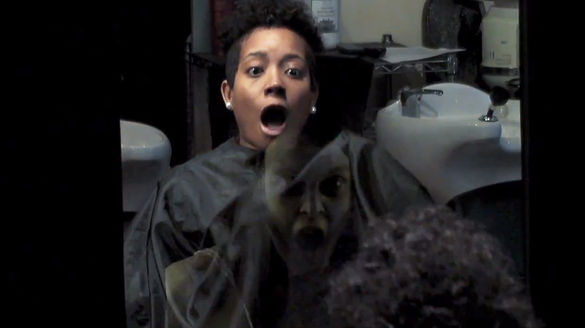
-          MS of Paloma, reflection of Rosalie in the corner, showing Paloma’s shocked expression
-          Screen fades to BLACK.
-          INT. Toilets. Day (Part 2)
-          Over shoulder shot of Paloma. She bends down to wash her face, straightens up again.
-          Medium shot of her looking in the mirror and in the corner, the audience can see Rosalie. Shows her shocked expression.
-          Screen fades to BLACK
-          END
Tuesday, 15 October 2013

Title of our Short Film (Working Title)

We have decided on the title of 'Evanescent'. We have chosen this title because of the definition of something passing out of sight or out of existence, which links into the idea of our short film which is about a ghost tormenting our main protagonist, something that is not tangent, just something that quickly fades or disappears into the distance as soon as it appears.

Character Names;

Rosalie- Portrays the Ghost

Paloma- Portrays the Protagonist. In Latin, Paloma means 'Dove' which is the symbol of hope. These two characters are binary opposites.

Sunday, 13 October 2013

Influential Scene- Bathroom Mirror Scene

In our short film, we wish to assimilate a scene where the best friend looks in the mirror and sees herself, then taking her anti-depressants but manages to drop one on the floor, while she bends down to pick it up, we see the ghost in the mirror.

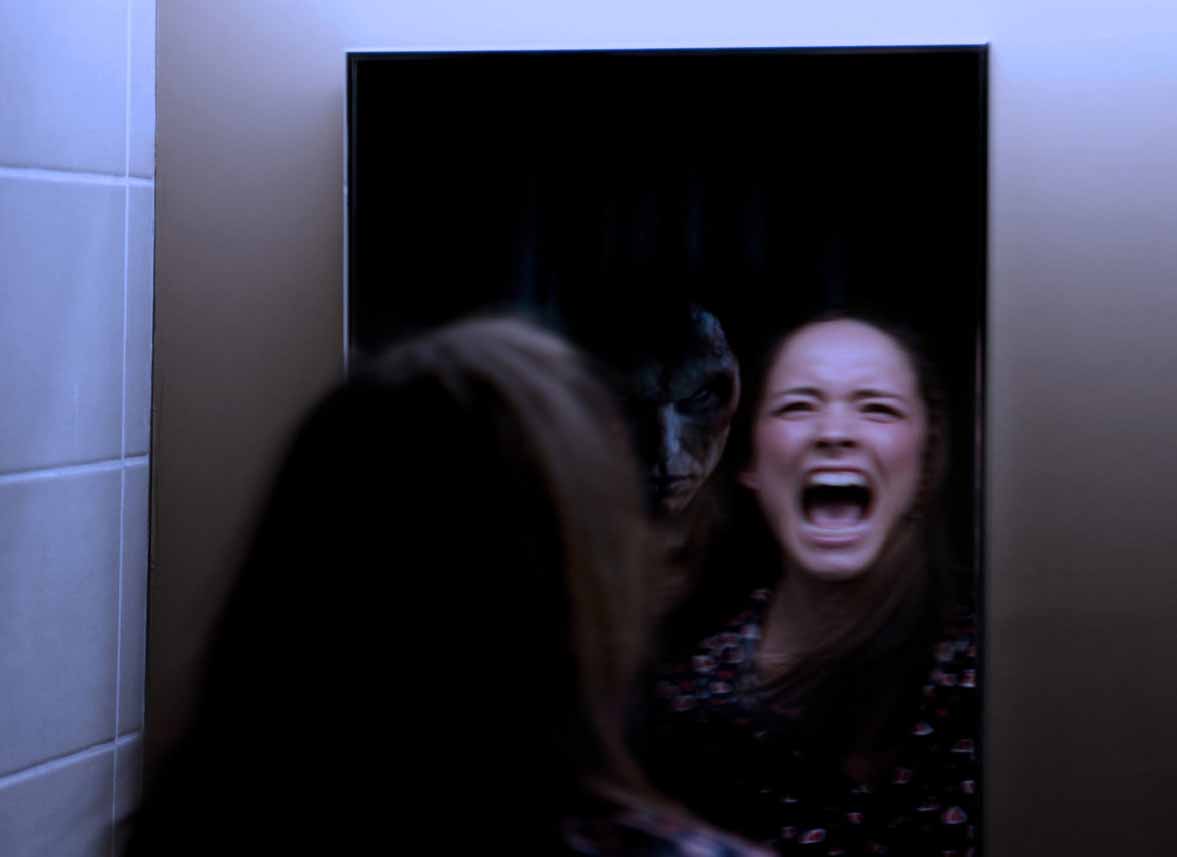
Below is a video of a compilation of Mirror Scares in various movies which successfully pull off the shock factor and leaves the audience uneasy as they are accustomed to the codes and conventions of the genre, as the music starts to become tense, they know something will happen, and from watching all these other movies, they know something will happen, there will be something that will appear in the mirror, behind the person. Like this picture below.


Youtube video of Mirror Scares in Movies;


Thursday, 10 October 2013

Major Influences- Dragonfly

Another film that I thought was influential for our short film is Dragonfly, below is the trailer;


This film is about Kevin Costner's character Joe, whose wife recently died and is now being contacted by her through his patients near death experiences.


Through the film, his dead wife tries in various ways to contact him, and we want to mirror the tension throughout the film of this ghostly presence in order to keep the audience in suspense. And keep them interested in the short film and make them want to stay at the end in order to find out what happens.


The film 'Dragonfly' was directed by Tom Shadyac and starred Kevin Costner, Susanna Thompson and Joe Morton in 2002.


Wednesday, 9 October 2013

Major Influences- The Shining

'The Shining'


This film is about a family who head to an isolated hotel hotel for the winter where an evil and spiritual presence influences the father into violence, while his psychic son sees horrific forebodings from the past and of the future. This film was directed by Stanley Kubrick in 1980 which was adapted from the novel by Steven King. This film starred Jack Nicholson and Shelley Duvall. 


'The Shining' Trailer.


We are taking the idea of an evil and spiritual that influences our main character to the brink of insanity.


At the end of the film, Jack Nicholson turns from a mentally healthy man into a completely psychotic unstable man. The film shows his deterioration of his mental state and we want to assimilate this deterioration in our short film, through Sound and the different types of shots.

Monday, 7 October 2013

Target Audience Profile

Looking at the demographics and psychographics, our targeted audience would probably be Class A-C, from people with higher managerial, administrative and professional jobs like Doctors and Lawyers all the way through to C1 and C2 types which include Students and Skilled manual workers. Mainly, the people who are likely to appreciate a psychological thriller and what it entails, students in particular might like this genre, especially if they are avid filmmakers seeking to make the perfect film for various reasons. However, with a genre like this, it might alienate some of the audience as they prefer to watch other types of movies i.e action thriller, something with more suited for their mood at that time maybe. Because if they don't understand what is going on in the film, as with psychological thrillers, it requires you to have an active mind and concentration throughout the whole of it to fully understand how it all ends, they will lose focus and never see another psychological thriller ever again.

Influential Directors of the Genre

The following directors are known for their affinity for psychological thrillers and we will look at their traits and how they address the audience with the codes and conventions of the genre more closely in order to hopefully simulate a short film with a similar effect;

  • Alfred Hitchcock


 'Master of Suspense' Alfred uses these conventions so effectively and entices the audience e.g 'Psycho'


  • David Lynch


- 'Mulholland Drive'


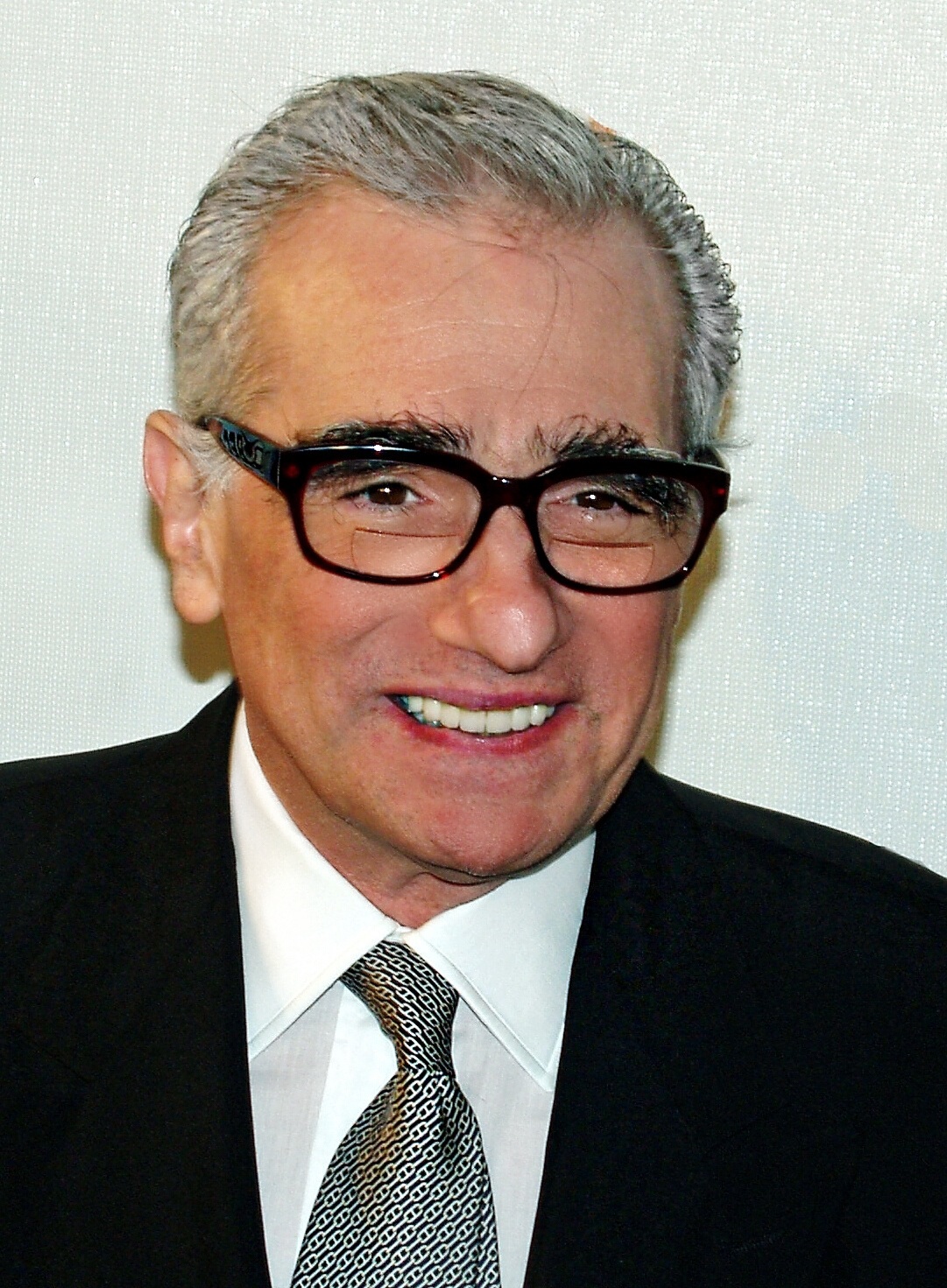
  • Martin Scorsese


 'The Departed' and 'Shutter Island'


This the famous shower scene in 'Psycho';


Representation


  • We will addressing the audience through the representation of gender as it is evident that more females than males watch psychological thrillers, therefore with  the two main characters being female they can relate to them. 
  • We will also be addressing age as well, everyone can relate to the age of the girl's, maybe because they are that age themselves or have been and know what it is like to be that age. 

Narrative of Short Film

We will be focusing on Claude Levi Strauss's narrative theory regarding binary opposites. You have the best friend, who is alive and nice and this is in stark contrast to the dead best friend who is dead and evil, trying to spite the best friend for not saving her from the random stabbing.


Like most short films, there will be a plot twist at the end where the audience realise that the first bit wasn't a dream sequence and it could have been the ghost trying to make the best friend even more paranoid by making her think it was all in her head.


Like most narrative, there will be a state of equilibrium which will be shown at the beginning, then a state of disequilibrium as the best friend's mind slowly deteriorates more and more as the film progresses, however we will leave it with the equilibrium not being restored at the end in order to keep the audience entertained and at the edge of their seats.

Themes and Conventions of Psychological Thriller

The following themes are the most recurrent ones in the psychological thriller genre:

  • Death
  • Reality 
  • Purpose
  • Existence
However we will be focusing on the first two themes regarding death and reality and the line between real and what is real as the short film goes on.

The following conventions are the ones we ate thinking of incorporating into our short film;

  • Quick edits and changes in camera angles- to increase the feeling of fear and shock. 
  • Music- lends itself to high tension, eerie, silence.
  • Flashbacks- this will show the past to give an insight into why the characters are the way they are. We will use this to show how her best friend died.

About the Psychological Thriller Genre

This is a popular hybrid of thrillers which focuses heavily on the mental aspect of the characters.
It incorporates elements of drama and mystery and often contains elements of and overlap with the horror genre.
The characters are not reliant on physical strength to overcome their personal enemies but on their mental attributes.
The suspense created by psychological thrillers often comes from 2 or more characters preying on the minds of one another which we have incorporated into out short film.

Media Theory of Short Film

We will be focusing on Stuart Hall's 'Reception Theory' which focuses on the audience and they consider the representations presented to them in the context of their own values, opinions and experiences. Due to the genre, we will be focusing on the type of audience who is philosophical and likes to question everything as opposed to watching something just to entertain i.e an Action movie, they want something that will leave them feeling that they have watched something thought-provoking and give a real insight into mental health as a whole as that is something that is still taboo in today's world.

Target Audience of Short Film

Our targeted audience would be the 15-50 age range and mostly women and it is evident that more women than men like watching psychological thrillers. We will address them through Mise-en-scene, Camerawork, Sound and Editing. Sound will probably the most important in order to keep the tension and suspense throughout the short film and keep the audience uneasy and curious as to what will happen at the end of the film. Keep the enigma of ghost and leave them waiting to see how the film concludes.

Roles and Responsibilities

Tash- Cinematographer
Lydia- Editor


We are going to incorporate different types of shots in order to make the short film more interesting and also add edit it in such a way to keep the audience at the edge of their seats.


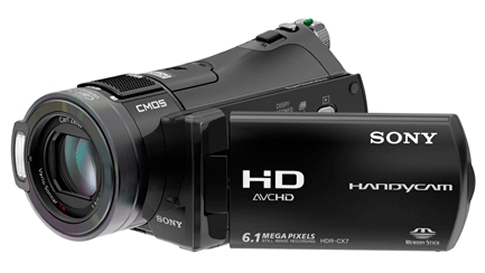
These are some of the equipment that is going to be used;


A Sony HandyCam

Tripod


Adobe Premier Pro


Pictures of Possible Locations

We were thinking a scene involving somewhere in the park, woodland area where she is walking when she sees the ghost of her best friend, a bridge and a bedroom and bathroom. For the flashback we were just thinking any dark alley to create a feeling of unease and a sense of foreboding and this also sets the scene and reveals an insight into how the girl was murdered.


Park: 


Bridge: ( To emphasise her isolation and her desperation)


Bedroom and Bathroom: ( This is used at the end to create tension and suspense at the shock twist)


Synopsis of the Short Film


  •   It starts off with a girl walking with a group of friends in a park, she sees something in the corner of her eye and she does a double-take at the space where she thought there was something.
  • She becomes paranoid and seeks reassurance from her friends that she wasn’t the only person who saw it, however they all say ‘No, what are you talking about?’
  • She becomes more paranoid; she keeps looking behind and suddenly sees the thing that is making her paranoid; her best friend which then goes to FLASHBACK.


FLASHBACK-       There are shots of her looking scared (Close-ups)
Cacophony of SOUNDS:
·         Police Sirens
·         Shouting, Screaming, Crying
·         Stabbing, Knife dropping.

Pans to LONG SHOT of dead best friend on the floor, down an alley, audience can see hooded person running away from the scene.


·         Coming out of the flashback, SHOT of her eyes closed, zooming out as she opens her eyes and shot shows her reasserting herself, going back to reality.
·         She continues to walk home, she then sees her friend, hugs her. The ghost of her best friend brushes past her.
·         A shot shows her as she takes out a knife and (stabs her friend) or (strangle her)
·         Another shot shows the audience that she was hallucinating and that it was the ghost that was injecting evil thoughts of murder into the girl in order to get her revenge for not saving her.
·         She comes out of this hallucination and starts freaking out and runs away. Her friend is left confused and saying; ‘Where are you going?!’
·         Shots of her running away, bashing into people, using various shots i.e dutch tilt, blurred lens, going in and out of focus to further emphasise her disorientation.
·         She goes to a bridge, she hears noises in her head, voiceovers from her best friend tormenting her saying things like; ‘Why did you leave me to die? It should have been you, not me!’ Making the girl feel resentful for being alive and suicidal.
·        Shot FADES TO BLACK 
       Hear a SPLASH!

·         The last scene shows a FADE FROM BLACK and the audience can see the girl with her eyes closed, shot zooming out of her face waking up GASPING. Tilted shots to further increase the confusion she is feeling.


·         She gets out of bed, walks into the bathroom and bends down to wash her face, she straightens up and looks in the mirror and in the corner, the audience can see the ghost.

 In conclusion, the audience think that the first half of the sequence is a dream, or a hallucination, but are left confused through the ambiguity that is left right at the end.

S

Thursday, 3 October 2013

Brief Pitch for Short Film ( Prezi)

Claude Levi- Strauss


Claude Levi-Strauss was a social anthropologist who studies the myths of tribal cultures. He examined how stories unconsciously reflect the values, beliefs and myths of a culture. These are usually expressed in the form of BINARY OPPOSITES. His research has been adapted by media theorists to reveal underlying themes and symbolic oppositions in media texts.


He believed that in every narrative, there was a conflict between two qualities or terms. The reason for binary oppositions is that it can help establish who the 'good' and the 'bad' characters are instantly. They are obviously present in narratives because fundamentally a narrative must be based on a conflict of interest, i.e the interests of the Hero versus the interests of the Villain.


For example in 1970's Western films: The Binary Opposites of the HOMESTEADERS VS NATIVE AMERICANS:


HOMESTEADERS:


  • Christian
  • Domestic
  • Weak
  • Garden
  • Inside Society
NATIVE AMERICANS:

  • Pagan
  • Savage
  • Strong
  • Wilderness
  • Outside Society


Tzvetan Todorov


Tzvetan Todorov was a Bulgarian literary theorist who suggested that most narratives start with a state of equilibrium in which life is 'normal' and the protagonists are happy. This state of normality is disrupted by an outside force, which has to be fought against in order to return to a state of equilibrium. This model can easily be applied to a wide range of films.


Propp's Character Roles


Propp identified 8 character roles in each narrative:


Using the second Harry Potter book; 'Harry Potter and The Chamber of Secrets' as an example and using Todorov's theory, the equilibrium is at the beginning when Harry returns to Hogwarts and continues to learn magic. Things then start to go wrong when people become paralysed by a snake, this is the disequilibrium. They then discover a cursed diary and realise that it is evil. They then attempt to solve the crime and defeat Tom Riddle, in which they are successful. The equilibrium is then restored as the evil is destroyed and everyone who was paralysed have come back to life.  The book fits in with Propp's 8 main character roles and Harry Potter fits the categories, as each of the character roles can be filled;


The Hero ( seeks something) - Harry Potter


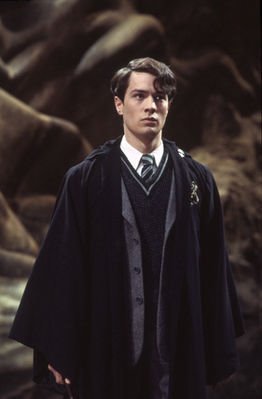
The Villain (opposes the Hero) - Tom Riddle ( Lord Voldemort) 


The Donor ( helps the hero by providing a magic object)- The Phoenix provides the sorting hat, which provides a sword.
The Helper (gives support to the Hero) - Ron Weasley


The Princess ( the reward for the Hero, but also needs protection from the Villain) - Ginny Weasley


Her father - Dumbledore, he rewards Harry, however is not the father but may be looked up to as a father figure.

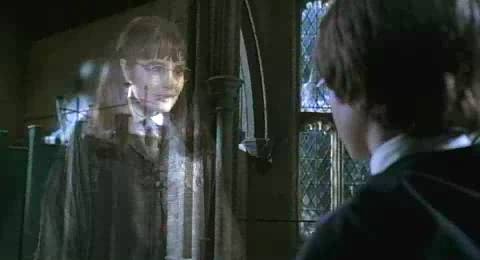
The dispatcher ( sends the Hero on his way) - Moaning Myrtle, helps show the entrance to the chamber.


The false Hero ( falsely assuming the role of the Hero) - Professor Gilderoy Lockhart